

 Sports
 Convertible
 Luxury
 SUV
SUV Family
 Coupe
Coupe Muscle
 Pickup Truck
 Sedan
Sedan Electric
 Economy
 Lamborghini
 McLaren
 Zeekr
Zeekr Ferrari
 Rolls Royce
 Bentley
 Porsche
 BMW
BMW Mercedes
 Mini Cooper
 Hyundai
 Cadillac
 Audi
Audi Ford
Ford Tesla
Tesla Lincoln
 GMC
GMC Mazda
Mazda Jeep
Jeep Fiat
Fiat Hummer
 Lexus
Lexus Dodge
Dodge Land Rover
 Nissan
 Chevrolet
 Toyota
 Lixiang




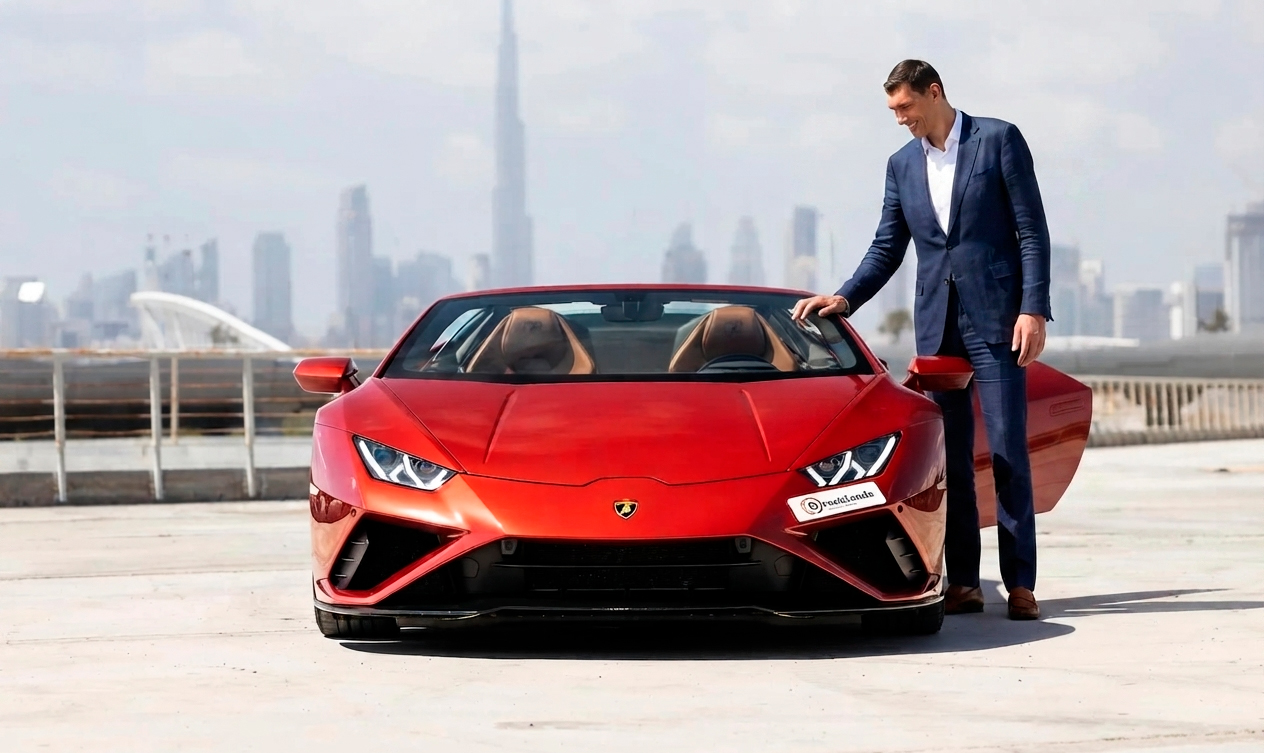
Finding a high-performance vehicle when you stand over 6’2″ (188 cm) requires looking past the spec sheet and understanding interior ergonomic geometry. For tall drivers, the limiting factors in sports cars involve front headroom, pedal box clearance, steering wheel telescopic range, and ingress/egress roofline angles. This guide breaks down the sports cars accommodating tall frames without compromising the driving experience, utilizing exact measurements and real-world testing data.
«In my 10 years of managing a luxury and performance car rental fleet at Brook Drive, the most common question I get from clients over 6’3» involves fitting into a 911 or a Huracan. Specs tell only half the story. A car claims 40 inches of headroom, but if the seat track fails to slide back far enough or the steering wheel lacks telescopic reach, your knees hit the dash. The recommendations below stem from hundreds of real-world seat tests with clients ranging from 6’2″ to 6’8″, ensuring they can safely enjoy our no-deposit vehicles on Dubai’s roads.»
Top Sports Cars by Front Legroom & Headroom Dimensions (Quick Reference)
For immediate comparison, these represent the top-performing sports cars and coupes regarding driver space.
Rule of thumb: Independent tall-driver guides recommend targeting at least 38 inches of headroom and 42 inches of legroom — or a combined total of 80 inches — as a practical minimum for tall people in sports cars.
| Make & Model | Front Headroom (in/cm) | Front Legroom (in/cm) | Max Driver Height Recommendation | Roof Style |
|---|---|---|---|---|
| Porsche 911 (992) | 39.8″ / 101 cm | 42.2″ / 107 cm | 6’6″+ | Coupe (sunroof optional) |
| Ford Mustang | 37.6″ / 95.5 cm | 44.5″ / 113 cm | 6’4″ | Coupe / Convertible |
| Dodge Challenger | 39.3″ / 99.8 cm | 42.0″ / 106.7 cm | 6’6″ | Coupe |
| BMW M4 | 38.0″ / 96.5 cm | 41.8″ / 106.1 cm | 6’4″ | Coupe / Convertible |
| Audi RS5 | 37.4″ / 95 cm | 41.3″ / 104.9 cm | 6’3″ | Coupe / Sportback |
Best Sports Cars for Drivers 6’2″ to 6’4″ (188–193 cm)
Drivers in this height range have excellent options, provided they select the right seat configurations and roof types. The key involves combining generous legroom with adequate headroom and a steering column that telescopes far enough to prevent an awkward driving position.
Ford Mustang: Unmatched Front Legroom

The Ford Mustang offers class-leading front legroom among traditional sports coupes. The S650-generation Mustang delivers 44.5 inches of front legroom alongside 37.6 inches of headroom. This figure surpasses most other vehicles in the segment, making it an exceptional choice for drivers with long legs. The standard Mustang front seats feature manual adjustments, including a 6-way driver and 4-way passenger setup, allowing tall individuals to drop the seat base close to the floorpan.
Avoid the optional Recaro bucket seats if you have a wider frame or require maximum vertical space; the standard adjustable leather seats offer better daily comfort and a lower seating point that directly benefits headroom clearance. When clients book a Ford Mustang through Brook Drive, we often recommend the standard seat configuration for anyone over 6’2″ to ensure maximum comfort during their rental period.
BMW 4 Series & M4: Superior Multi-Way Adjustability
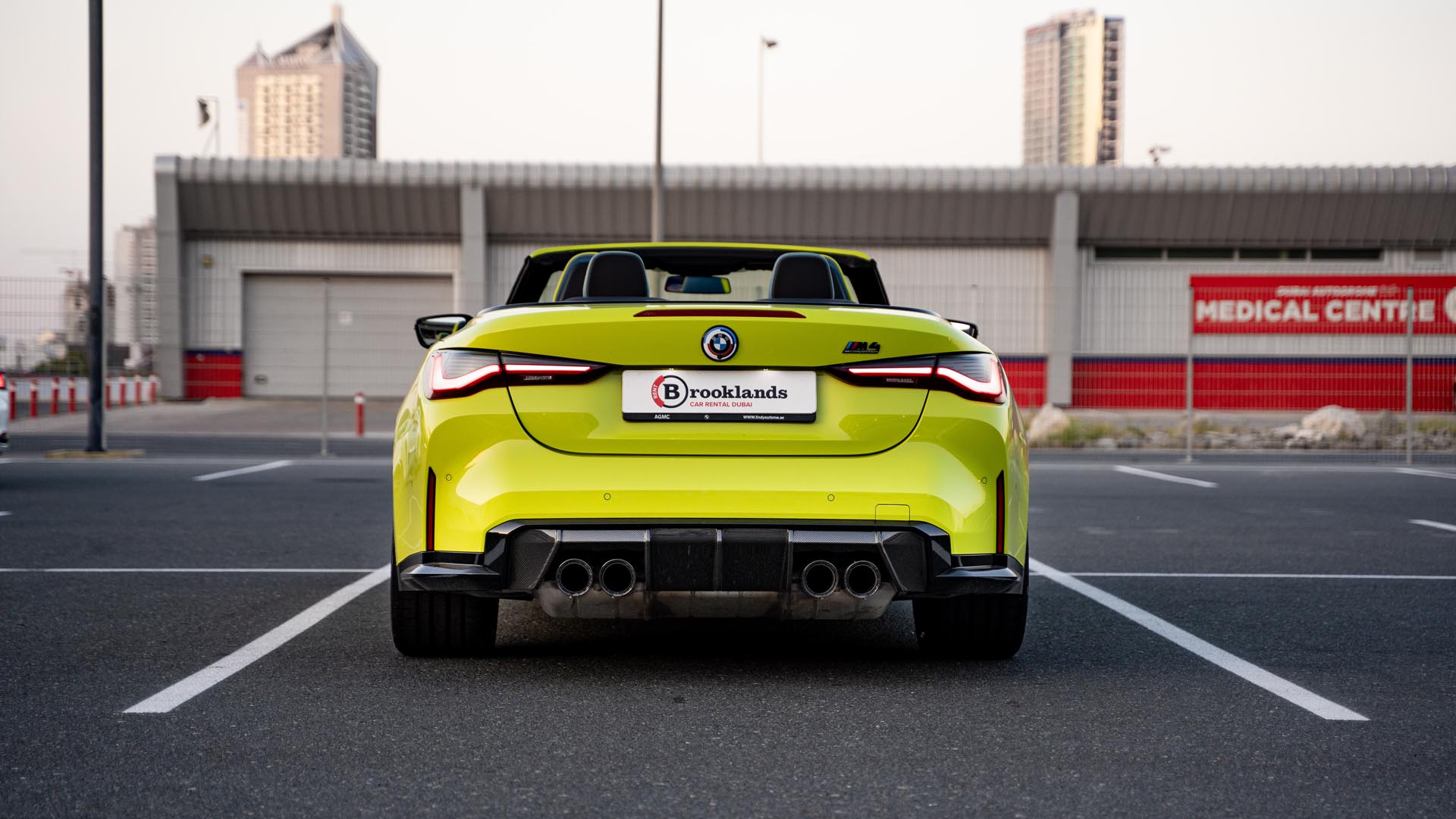
The BMW 4 Series and its M4 counterpart excel in seating ergonomics. The BMW M4 provides 40.3 inches of front headroom and 41.7 inches of legroom. BMW’s standard sport seats offer extensive thigh support extensions and a massive range of tilt and telescopic steering column adjustments. Drivers up to 6’4″ easily find a track-ready driving position.
Tall-driver tip: Balance the seat-back angle and wheel position so the rim does not obstruct the gauge cluster or force the driver too far from the controls.
Owners confirm the wheel extends all the way out and up, giving drivers a wide range of final positioning. The main caveat involves the optional carbon-backed bucket seats; their raised front base and rigid lower thigh area interfere with long legs, making the standard sport seats the superior choice for taller frames.
Audi Sportback & Coupe: Best for Long Torsos
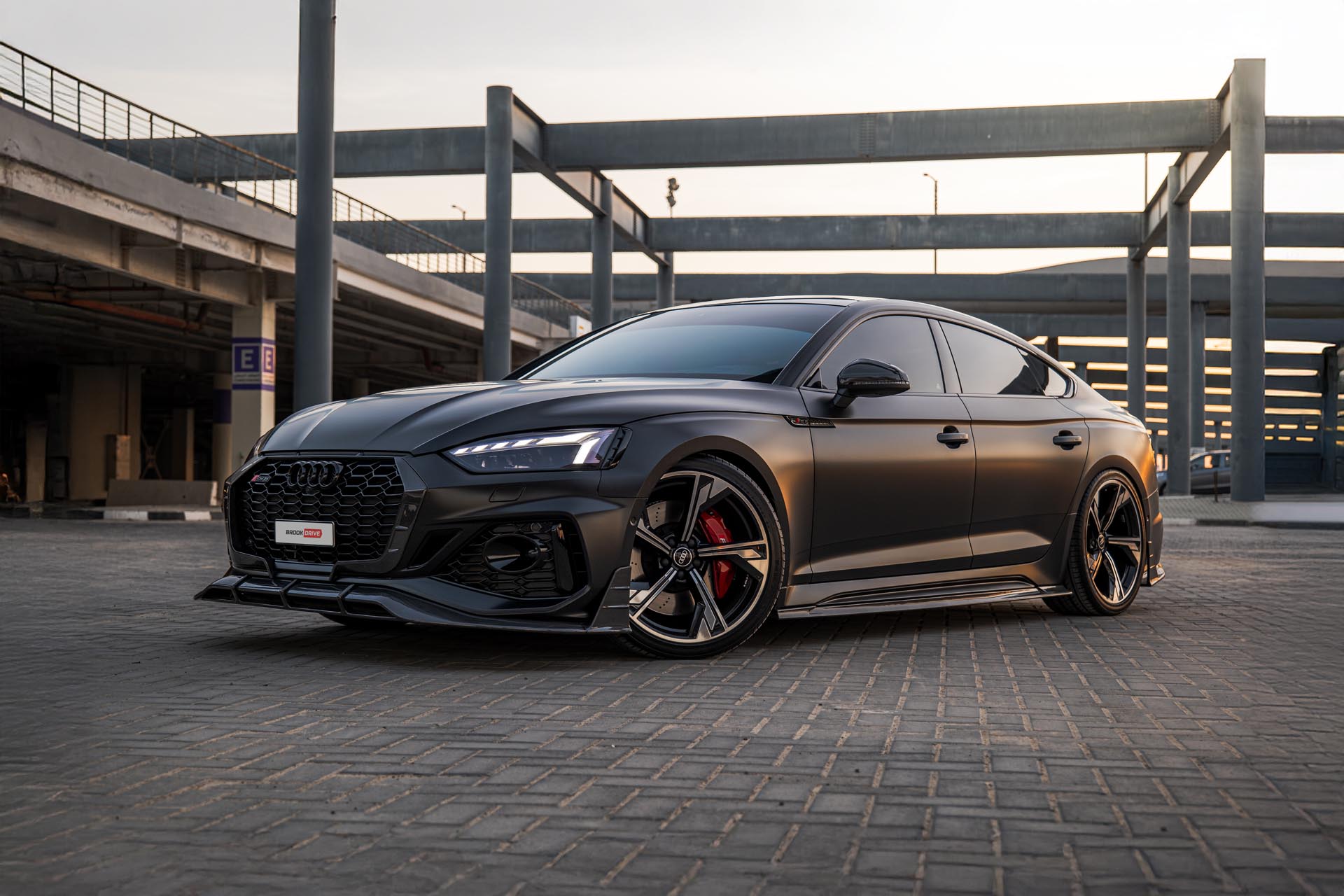
The Audi RS5 features a slightly lower seating hip-point and roofline geometry that preserves overhead clearance, making it highly suitable for drivers whose height concentrates in their torso. The RS5 Sportback provides 38 inches of front headroom and 41.3 inches of legroom.
The Sportback’s hatchback-like shape adds practicality, but both coupe and Sportback variants share the same low cabin profile. If vertical torso clearance dictates your choice, the RS5 rewards careful seat adjustment. The low-slung roofline and low seating position give a sporty driving posture, though the back seat remains best suited for average-height adults.
Chevrolet Camaro: High Legroom, Low Visibility
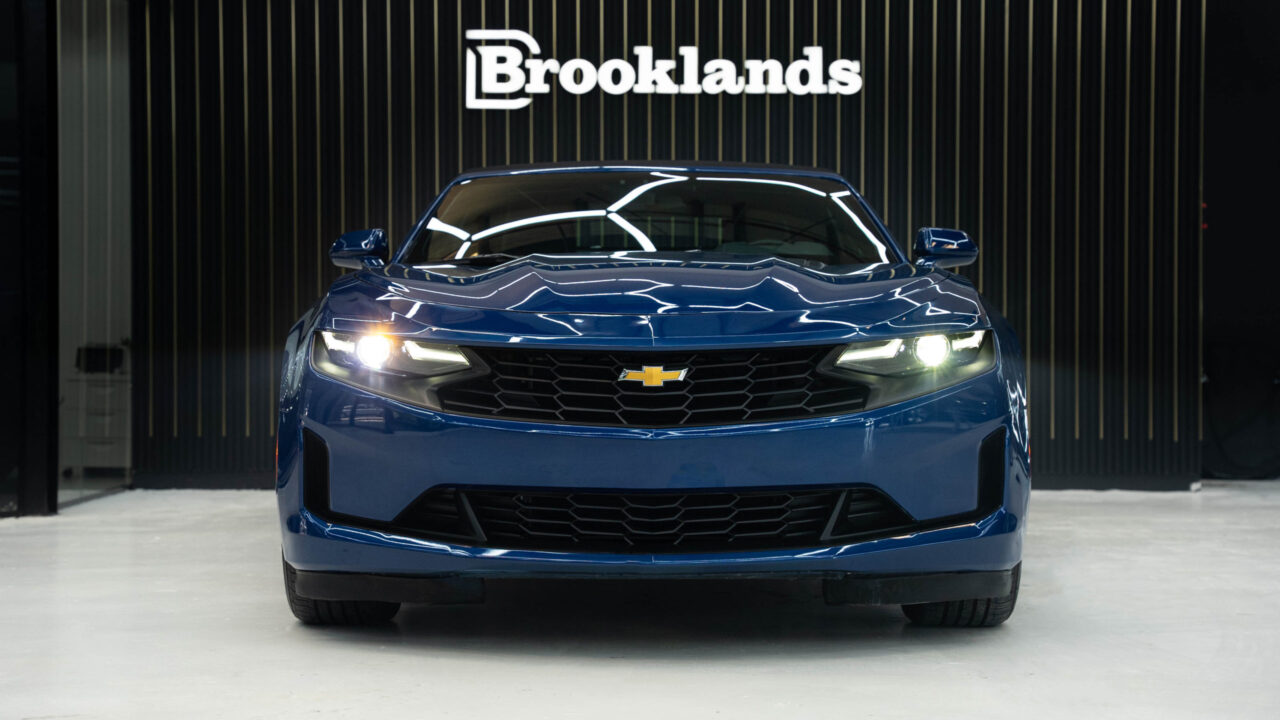
The Chevrolet Camaro delivers impressive front legroom measuring 43.9 inches alongside 38.5 inches of headroom. For drivers between 6’2″ and 6’4″, the physical fit rarely presents a problem, as the long, low cockpit accommodates extended legs effortlessly.
The significant tradeoff involves visibility. The Camaro features a notoriously high beltline and a low roofline. You fit physically, but sightlines — especially at traffic lights or in tight urban environments — suffer heavily. The cockpit positions the driver low in the car, reducing outward visibility. Factor this into your decision, especially if you plan to navigate busy city streets.
Best Sports Cars for Very Tall Drivers (6’5″ / 195 cm and Taller)
Finding a sports car for individuals over 6’5″ proves exceptionally difficult, but a few specific models feature the seat-track travel, roof geometry, and footwell depth that make the difference between possible and comfortable.
Porsche 911 (992 Generation): The Gold Standard for Tall Drivers

The Porsche 911 stands universally recognized as the most accommodating true sports car for very tall drivers. The modern 992-generation 911 provides exceptionally long seat tracks and deep footwells. The rear-engine layout serves as the structural reason for this advantage: no transmission tunnel intrudes into the front footwell, allowing drivers up to 6’7″ to fully extend their legs.
Helpful tip:
Opt for the 18-way Adaptive Sport Seats Plus and skip the glass sunroof for maximum headroom. The solid roof preserves every available inch of overhead space, as it lacks the mechanical cassette required for a sunroof.
The 911’s horizontal dashboard layout keeps controls close at hand, reducing distraction while accommodating a rearward seating position.
Dodge Challenger: The Spacious Muscle Car Exception

The Dodge Challenger utilizes a large sedan platform, giving it the most cavernous interior in the coupe segment. It provides 39.3 inches of headroom and 42.0 inches of legroom. Front shoulder room measures 58.5 inches and hip room hits 55.3 inches — dimensions more associated with full-size sedans than performance coupes.
Drivers up to 6’8″ comfortably daily-drive a Challenger without feeling claustrophobic. The wide seating layout supports comfortable posture for taller drivers. Specifying a model without a sunroof adds another 1.5 to 2 inches of headspace on top of the already-generous figures.
BMW M8 Competition: The Grand Touring Giant

For those wanting supercar performance with executive sedan space, the BMW M8 Competition answers the call. As a large Grand Tourer, it offers massive cabin width, providing 42.1 inches of front legroom, 38.9 inches of front headroom, and 57.2 inches of front shoulder room.
Compared with mid-engine exotics, the M8’s conventional front-engine GT architecture means the footwell and seating package arrange themselves without central powertrain intrusion. The result creates a cockpit that feels genuinely wide and deep. BMW’s data shows substantial elbow width and effective legroom figures, reinforcing that the cabin prioritizes long-distance comfort over a tight supercar layout.
Sports Cars Tall Drivers Should Approach with Caution
Not all spec sheets translate to real-world comfort. The following models present specific challenges for tall individuals that raw measurements alone fail to reveal.
Nissan Z (400Z) & Toyota GR Supra

Both cars technically offer around 38 inches of headroom, but their ingress/egress geometry creates problems. The Toyota GR Supra features an aggressively sloped double-bubble roofline requiring a severe neck bend to enter. The low-slung body, large door sills, and tight access make entry and exit genuinely awkward for anyone over 6’2″.
Watch out: The Nissan Z presents a different ergonomic flaw: limited telescopic steering wheel range. If a tall driver slides the seat all the way back to accommodate leg length, the telescopic adjustment fails to extend far enough. This forces the driver to reach for the wheel, degrading posture and increasing upper-body strain over longer drives.
Mazda MX-5 Miata & Compact Roadsters
The Mazda MX-5 serves as the benchmark for compact sports cars, but it remains strictly off-limits for drivers over 6’2″ without aftermarket modifications. While it lists 43.1 inches of front legroom and 37.4 inches of front headroom, the fit proves incredibly tight.
The critical constraint involves the roof and the steering column. With the soft top raised, the fabric bows sit directly above the driver’s head, causing taller drivers to brush the roof constantly. Knee-to-steering interference also becomes a major factor when the seat pushes rearward. The legroom feels snug, and taller drivers often need to recline the seat excessively to avoid contact with the windshield frame, compromising their driving posture.
Key Ergonomic Metrics: Beyond Just Legroom
When evaluating a sports car, tall drivers must look beyond the standard legroom measurement. Critical automotive ergonomic factors include head clearance, steering wheel placement, pedal reach geometry, and visibility lines.
The Sunroof Penalty: Headroom Reduction
Specifying a sports car with a glass moonroof or sunroof typically consumes 1.5 to 2 inches (3.8 to 5 cm) of vital headroom. The mechanical cassette, motor, and sliding tracks all live in the headliner, directly above the driver’s head.
Helpful tip: Tall drivers should always seek out slick top solid roof configurations or carbon fiber roof options.
This single option transforms a workable car into an uncomfortable one. On the Porsche 911, the absence of the entire cassette assembly provides a clear advantage, allowing drivers over 6’4″ to sit upright without their hair brushing the headliner.
Steering Column Extension and Pedal Box Width
A car possesses 45 inches of legroom, yet still forces a tall driver into a compromised position if the steering column fails to telescope far enough. The ergonomic relationship works as a chain: the seat slides back to accommodate leg length, the wheel must follow, and if it fails to do so, the driver either sits too close to the pedals or stretches their arms to reach the rim.
Mid-engine cars compound this problem with narrow pedal boxes. The powertrain tunnel forces the driver’s feet toward the center of the car, causing the right leg to angle inward. This increases shin, knee, heel, and ankle fatigue on longer drives. Limited pedal spacing reduces control, forcing awkward overlaps between the brake and throttle. The Porsche 911’s rear-engine layout avoids front driveline intrusion entirely, creating a wide, unobstructed pedal box that no seat adjustment replicates in a mid-engine configuration.
Frequently Asked Questions (FAQ)
Can a 6’5″ driver comfortably fit in a Porsche 911?
Yes, a 6’5″ driver comfortably fits in a modern Porsche 911 (992 generation). The 911 features exceptionally long seat tracks, a rear-engine layout that keeps the footwell unobstructed, and deep footwells. To maximize available space, avoid models equipped with a glass sunroof, as the sunroof-delete coupes gain several inches of headroom. Choose standard or 18-way adjustable seats rather than fixed carbon bucket seats, which sit higher and restrict adjustment.
Does getting a convertible sports car provide more headroom?
Top-down, a convertible provides unlimited overhead clearance. However, with the roof closed, convertibles often have less headroom than their coupe counterparts. The mechanical folding frame and thick fabric bows sit directly above the driver’s head, reducing the usable space more than a fixed coupe roof does. Tall drivers who assume a convertible solves their headroom problem typically find the opposite true when the top raises.
Which mid-engine sports car has the most legroom?
The Chevrolet Corvette C8 offers some of the best legroom in the mid-engine class, providing 42.8 inches of front legroom. However, the Porsche 911 — a rear-engine car — remains the overall benchmark for tall drivers in the exotic and sports category. Its rear-engine layout eliminates the front driveline tunnel entirely, creating a wider, deeper footwell and a more upright seating position that mid-engine packaging struggles to replicate despite competitive legroom figures.